
Group Lessons for Children, Music Lessons, Music Recital, San Ramon Academy of Music, Voice Lessons
How Recitals Shape Young Minds Through Music and Confidence
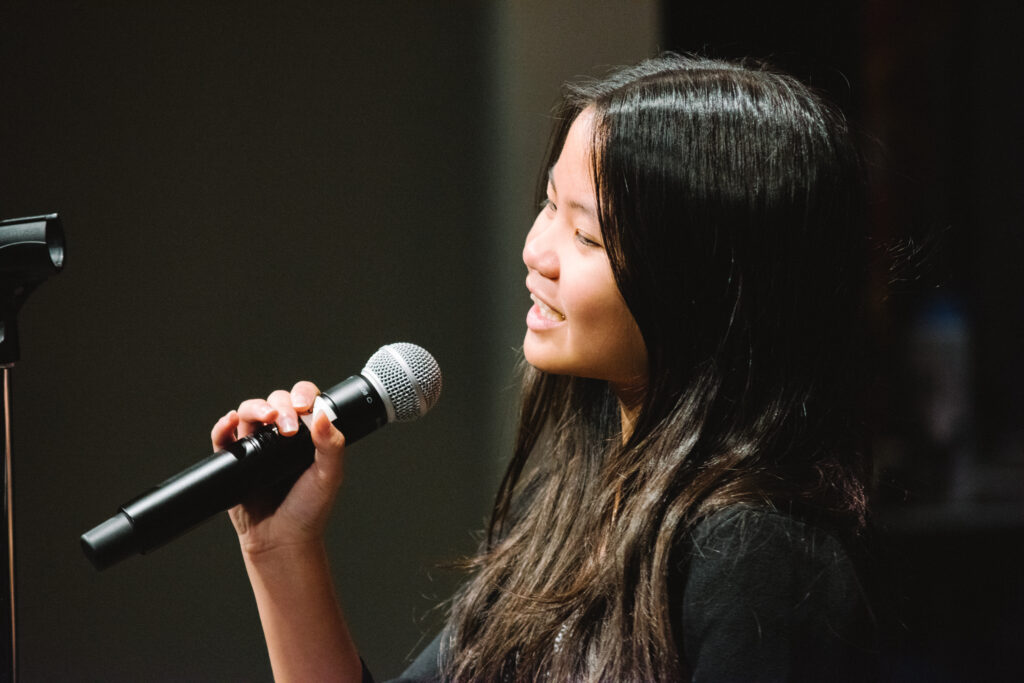
- Music recitals teach children how to handle pressure, stay focused, and perform with confidence in front of others.
- Each performance builds emotional strength, resilience, and self-awareness that carry into academics and everyday life.
- The process of preparing, practicing, and performing helps kids develop discipline and pride in their growth.
The Psychology of Performance and Confidence
Every time a child steps onto a stage, something powerful happens. Their heart races, their focus sharpens, and they learn to channel nerves into energy. Standing in front of an audience is one of the most effective ways to build confidence.
Psychologists call this “mastery experience.” It’s the process of facing a challenge, preparing for it, and succeeding through effort. Each recital provides that experience in a supportive, structured environment.
When children perform, they’re not just showing what they’ve practiced. They’re proving to themselves that they can handle pressure, adapt, and succeed.
This kind of earned confidence is far more valuable than simple encouragement. Instead of hearing “You’re great,” children get to feel it through accomplishment. Over time, these experiences reshape how they see themselves. This helps them become capable, resilient, and ready to take on new challenges in music, school, and life.
Performing doesn’t eliminate fear, but it teaches kids to move through it. That’s the foundation of true confidence.
What Happens in the Brain When Kids Perform
When a child performs, their brain lights up like few other activities can. Playing music on stage activates nearly every major region of the brain, including auditory, motor, emotional, and executive function centers.
This coordination strengthens neural connections that support focus, memory, and emotional control. That’s because musical performance is one of the most cognitively demanding tasks the brain can do, as it requires children to read, listen, move, and express emotion all at once.
The prefrontal cortex, the area responsible for planning and decision-making, becomes especially active during performance. As children anticipate notes, manage timing, and respond to the music around them, they’re practicing high-level cognitive flexibility. Over time, these experiences help improve organization, problem-solving, and concentration.
Emotionally, the brain’s reward system also gets involved. When children complete a performance, dopamine levels rise, creating a sense of pride and motivation to keep learning. It’s the brain’s natural way of reinforcing effort and perseverance as key ingredients for confidence and lifelong growth.
Life Lessons Learned on Stage
Every recital teaches lessons that go far beyond music. When children perform, they’re learning how to manage emotions, stay present, and recover from challenges. These are the same life skills that build confidence, resilience, and character over time.
Handling Nerves and Building Resilience
Even the most talented performers feel nervous before stepping on stage. What matters isn’t eliminating that feeling, but learning how to work through it. Each recital gives children a safe way to face fear, manage adrenaline, and turn anxiety into focus.
This kind of emotional regulation builds resilience. A student who can stay calm under stage lights can also stay composed during a test, a presentation, or a tough day at school. Over time, they begin to associate effort and preparation with success, not fear.
Mistakes are part of the process, too. When a child keeps going after a wrong note and finishes strong, they experience firsthand that perfection isn’t the goal; perseverance is.
Developing Focus and Presence
Performing music demands total attention. Children must listen, anticipate, and respond in real time, often while managing their own emotions. That kind of focus is trained through repetition and experience.
During a recital, kids practice being fully present. They learn to block out distractions, trust their preparation, and connect with the moment. This level of awareness, often called flow, helps them perform at their best not only in music but in academics, sports, and daily life.
Celebrating Effort and Growth
Recitals teach children to value progress over perfection. Each performance shows how much their hard work has paid off, whether it’s a smoother rhythm, stronger posture, or simply finishing with confidence.
It’s an important reminder that growth takes time and effort. When kids see their improvement on stage, they start connecting practice with results. That mindset builds self-motivation, patience, and pride in the process, which carry into school and life.
Connecting with Others
Performing connects children to something larger than themselves. Whether they’re playing a duet or sharing a solo, they learn how their music can move and inspire others.
Recitals build empathy and community. Kids experience the joy of expressing emotion, supporting classmates, and being part of an audience that cheers for everyone’s success. Over time, they see that confidence isn’t just about being seen, but about sharing and connecting.
The Role of Teachers and Parents in Building Healthy Confidence
Confidence doesn’t happen by chance. It’s something children build, with help from the adults who guide them. Teachers provide structure and encouragement in lessons, while parents reinforce those lessons at home by shaping how kids experience practice, effort, and performance.
Here are a few simple ways parents can help children develop genuine, lasting confidence through music:
- Celebrate effort, not perfection. Praise the work your child puts in, not just the performance. This helps them value persistence over outcomes.
- Ask reflective questions. After lessons or recitals, ask things like, “What part did you enjoy most?” or “What felt easier this time?” to help them notice progress.
- Create a calm pre-recital routine. Help your child manage nerves by practicing breathing exercises, positive visualization, or a short warm-up they can rely on.
- Normalize mistakes. Share your own stories of learning and imperfection. It teaches kids that progress, not perfection, is the real goal.
- Encourage small performances at home. Let them play a song after dinner or for family friends. Low-pressure moments build comfort and joy in sharing their music.
- Model confidence and curiosity. When kids see you try new things or stay calm under stress, they learn that confidence grows through action and patience.
- Collaborate with teachers. Stay in touch about goals, challenges, and milestones so your child feels supported by a consistent team.
Build Confidence That Lasts a Lifetime
Every recital helps children grow in ways that stay with them for life. When they step onto a stage, they learn to prepare, stay calm, and trust their effort. Over time, those small moments build genuine self-assurance.
Music performance teaches children how to focus, manage nerves, and recover from challenges. These are the same qualities that help them thrive in school, friendships, and future opportunities. Confidence grows when effort is rewarded with progress, and every recital gives children a chance to see that growth for themselves.
At San Ramon Academy of Music, we believe in helping children discover what they’re capable of through music. Our lessons are designed to build skill, confidence, and a lifelong love of learning.
Give your child the tools to shine. Sign up for private music lessons and watch their confidence grow with every note.
