Build the foundation
behind every song

with music theory lessons at San Ramon Academy of Music

Lesson duration

30 minutes

Who can join

Ages 8 to adult

Skill level

Beginner to advanced

Format

Personalized, 1-on-1 lessons

Attendance

In-person or virtual options

Music Theory Overview

Picture your child hearing a piece of music and understanding, not just feeling, why it works. Music theory gives students the language behind the music they already love to play, connecting the dots between the notes on the page and the sound in their ears.

At San Ramon Academy of Music, our 1-on-1 theory lessons are built for students on any instrument who want to read faster, compose with confidence, and understand what’s actually happening in the music they perform.

What makes our
music theory lessons special

At San Ramon Academy of Music, we treat theory as a tool for better musicianship, not a subject to memorize and forget. Every lesson connects directly back to the music your child is already playing.

As a boutique music studio, we combine the close-knit attention of a small school with the resources of a large academy, so lessons stay personal even as students take on more advanced concepts.

Our instructors meet students exactly where they are, whether that’s understanding key signatures for the first time or preparing for an exam like ABRSM theory.

Skills your child can gain

Music theory sharpens the skills your child is already building on their main instrument. Our lessons develop sight-reading speed, ear training, harmonic understanding, and the confidence to write and arrange original music.

Sight-reading and rhythm recognition that speed up every other lesson

Ear training, recognizing intervals, chords, and harmonic movement by ear

Exam preparation for ABRSM, RCM, and CM theory levels

Composition and arranging basics for students who want to write their own music

The SRAM advantage

Every student receives a tailored learning plan that evolves with their progress, with regular check-ins and clear communication with parents throughout their musical journey.

Your child will be surrounded by peers, parents, and teachers who want to see them succeed.
Students gain access to our online portal, with custom lesson notes, practice guides, and interactive tools to support learning at home.

From seasonal recitals to ensemble showcases, students gain stage experience that builds real confidence.

Our teachers are mentors first, celebrating wins, working through challenges, and staying with your child at every step.

In-person and virtual lessons with scheduling options built around your family’s routine.

Who can benefit from music theory lessons

  • Instrumentalists who want to read music faster and with more confidence
  • Students preparing for ABRSM, RCM, or CM theory exams
  • Young composers ready to start writing their own music
  • Any student curious about what’s actually happening inside the music they play

Your child's first six months

MONTH 1
Notation, key signatures, and rhythm basics
MONTH 2
Scales and intervals
MONTH 3
Chords and harmonic function
MONTH 4
Ear training and dictation
MONTH 5
Introduction to composition and arranging
MONTH 6
Bringing theory back into performance

Fun fact

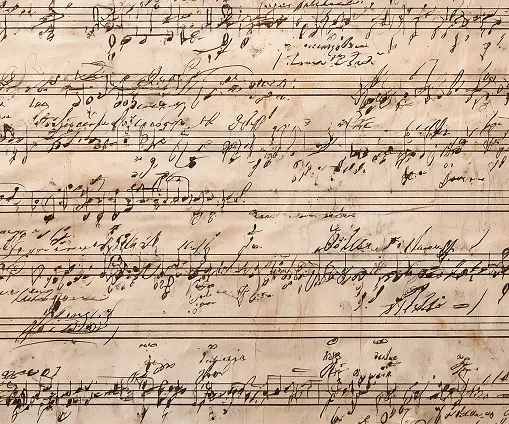
Music notation as we recognize it today took shape over centuries, evolving from simple neumes scratched above medieval chant texts into the precise five-line staff musicians read now.

Every composer from Bach to today’s film composers has relied on this shared written language to pass music from mind to page to performer. Learning theory means learning to read that same language fluently.

FAQs

Does my child need to already play an instrument to start theory?
It helps, but it’s not required. We tailor lessons to whatever musical background your child already has.

Instrument lessons focus on technique and repertoire. Theory lessons go deeper into why the music works, which then makes instrument lessons progress faster.

Yes, our instructors prepare students for ABRSM, RCM, and CM theory exams at every level.

Absolutely. Many of our theory students go on to write and arrange their own original pieces.

Yes. Theory translates especially well to virtual lessons, since much of the work is visual and written.

Have Questions? We’d Love to Help