
Benefits of Learning Music, Music Lessons, San Ramon Academy of Music
Why Kids Need Real Skills in a World of AI Shortcuts
Why Kids Need Real Skills in a World of AI Shortcuts
- Kids need real skills in the age of AI because fast answers don’t replace patience, practice, focus, creativity, and earned confidence.
- AI can help children generate ideas, complete tasks, and explore new tools, but it cannot do personal growth for them.
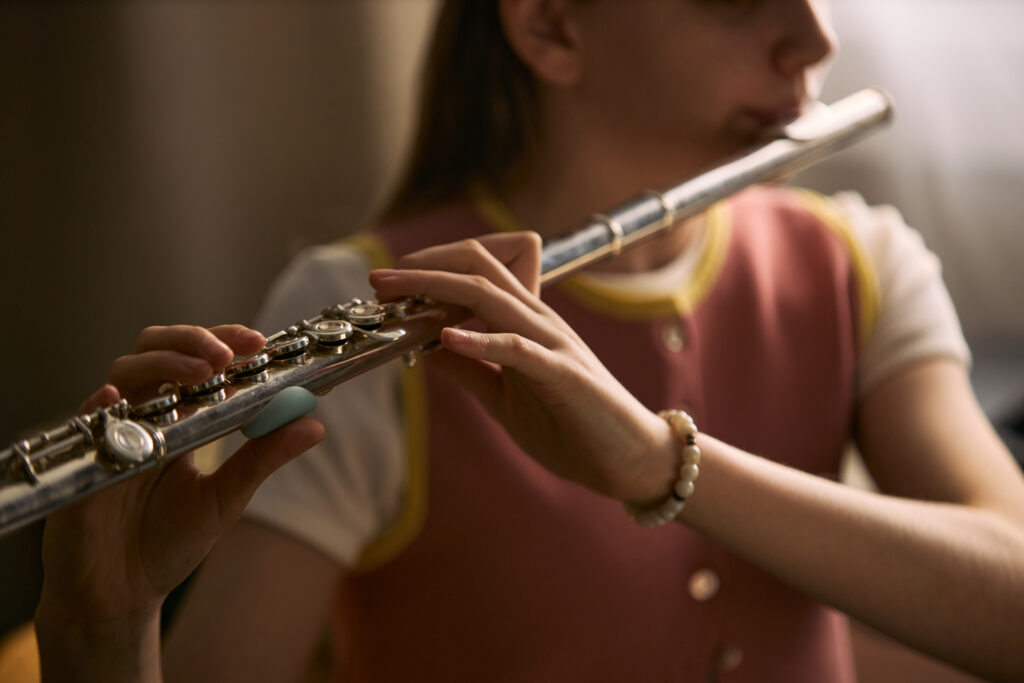
- Learning an instrument gives children a hands-on skill they can’t shortcut. They have to listen, practice, make mistakes, improve, and build something real over time.
What Skills Will Kids Need in the Age of AI?
Kids will need skills that help them think clearly, create with confidence, communicate well, and stay steady when something takes effort.
Through learning an instrument, kids build:
- Focus, because they have to listen closely, follow rhythm, and pay attention to small details.
- Patience, because progress takes time and every song is built one step at a time.
- Creativity, because music gives them a way to express ideas and emotions through sound.
- Confidence, because they get to hear their own improvement and feel proud of what they have built.
- Adaptability, because they learn how to take feedback, fix mistakes, and try again.
- Communication, because music teaches them how to listen, respond, and connect with teachers, family, and other students.
Why Are Real Skills More Valuable When Shortcuts Are Everywhere?
Real skills show a child what they can build through effort. That’s one of the biggest reasons music matters in the age of AI. When shortcuts are everywhere, children still need experiences where they cannot skip the middle.
AI can help produce something quickly. It can create a paragraph, a melody, or an image almost instantly. But a child still needs places in life where progress is earned one step at a time. Music gives them that.
A student has to listen to the note. Repeat the rhythm. Ask a question. Try the phrase again. Make a mistake. Slow down. Try again. Then, over time, something starts to change.
The song that felt impossible begins to feel familiar. The rhythm that was confusing starts to make sense. The voice, hands, bow, sticks, or fingers begin to respond more naturally. That’s a very different kind of learning than getting a fast answer. It teaches children that effort still matters.
Why Is Learning an Instrument a Skill AI Cannot Shortcut?
The value comes from the child doing the work, not just getting the result. A student cannot prompt their way into playing a song beautifully. They cannot automate finger strength, breath control, rhythm, tone, timing, stage presence, or confidence.
They have to build those things.
That’s exactly why learning an instrument becomes more valuable in an AI world. The point is not only the final performance. The point is the growth that happens before the performance.
A child learning an instrument has to connect their mind, body, and emotions. They have to hear what is happening, respond to feedback, and make small adjustments again and again. That process is deeply human.
It also gives children a kind of confidence that cannot be handed to them. When a child finally plays the song they struggled with, they know what it took. They know they didn’t skip the work. They know they earned it.
How Does Music Teach Kids to Stay With Something Hard?
Music gives children a safe, structured way to struggle, improve, and hear their progress. This is one of the most helpful things about learning an instrument. The progress becomes real to the child.
Last week, the song felt too hard. This week, the first line sounds better. A few weeks later, the child can play it for a parent. A few months later, that same child may feel ready to perform in a recital or play with other students.
Music makes progress audible.
That’s powerful because children need to experience improvement, not just hear adults talk about it. They need to feel what happens when they keep going. They need to learn that frustration isn’t always a sign to quit. Sometimes it’s just part of getting better.
A good teacher helps make that process feel supportive instead of overwhelming. The goal is to help them take the next manageable step.
One measure. One phrase. One song. One performance.
Over time, those steps add up.
How Does Music Help Kids Build Confidence Without Needing Instant Success?
Music teaches confidence through small wins that are earned over time. That is especially important in a world where kids often see polished results everywhere. Online, everything can look instant. A finished video. A perfect image. A clean answer. A generated song. A final result without the messy middle.
Music brings the messy middle back in a healthy way.
A student learns that it’s normal for something to sound rough at first. It’s normal to slow down. It’s normal to need help. It’s normal to practice the same part more than once.
Then they get a win.
Maybe they play their first song. Maybe they finally fix the rhythm that kept tripping them up. Maybe they sing with more confidence than they expected. Maybe they play for a parent at home. Maybe they step into their first recital and realize they can do something brave.
Those small wins build real confidence. Not the kind that comes from being told they are good at everything. The kind that comes from seeing themselves improve.
Why Does Music Help Kids Stay Human in a Digital World?
Music gives kids a way to express emotion, connect with others, and create something in the moment.
Digital tools can be useful, creative, and exciting. But they can also make creativity feel removed from the body. A child types something, clicks something, or consumes something on a screen.
Music brings the child back into a real experience.
They use their hands, voice, breath, ears, posture, attention, and emotions. They learn how a sound changes when they play softer, sing with more support, breathe differently, count more carefully, or listen more closely.
They are not only consuming. They are participating.
That participation is important because children need ways to express themselves that are not only digital. They need moments where they can create something in real time, with their own effort behind it.
Music also connects children with other people. Private lessons often become the foundation, but over time, students may grow into recitals, choir, orchestra, chamber ensembles, summer camps, and playing with other students.
How Can Parents Encourage Real Skill-Building Without Adding Pressure?
Choose activities that are challenging, supportive, and connected to your child’s natural curiosity.
Parents don’t need to turn music into another high-pressure achievement track. The goal is not to force mastery or make every lesson feel like a test. The goal is to help your child build a relationship with music that can grow over time.
That starts with curiosity. Maybe your child is always singing. Maybe they keep tapping rhythms on the table. Maybe they are drawn to the piano. Maybe they watched a friend play violin or guitar and started asking questions.
Those small signs are worth noticing.
A strong teacher can take that curiosity and help it become momentum. The right teacher knows how to challenge a student without overwhelming them. They can help the child feel supported, seen, and excited to keep trying.
That balance matters. Kids need real skills, but they also need the experience of learning to feel safe enough to continue.
Give Your Child More Than Instant Answers
AI may change the tools children use, but it doesn’t change what children need to grow.
They still need patience. They still need confidence. They still need creativity. They still need real teachers, real feedback, and real moments where they can say, “I worked for this.”
Music gives them that.
In a world of instant answers, learning an instrument gives your child something real to build. It teaches them how to stay with a challenge, express themselves, and grow through effort.
If your child has been curious about music, San Ramon Academy of Music would love to help them take the next step. Start private lessons and give your child a skill they cannot shortcut.
